


 Vietnamese


ASHRAE TC 9.9, ủy ban kỹ thuật chịu trách nhiệm về các hướng dẫn nhiệt quan trọng cho trung tâm dữ liệu, đã phát hành một bản tin kỹ thuật miễn phí có tiêu đề Các thực hành tốt nhất về tính toàn vẹn của chất làm mát và sẵn sàng của hệ thống TCS. Mở đầu bằng một cảnh báo bất thường đối với một tài liệu của cơ quan tiêu chuẩn: “Việc vi phạm các yêu cầu vận hành và bảo hành của hệ thống làm mát trực tiếp đến chip là quá dễ dàng.”
Được xuất bản vào tháng 5 và lưu trữ trên cổng tài liệu công khai của ủy ban, bản tin nêu bật bốn chế độ lỗi mà hiệu suất của Hệ thống làm mát nhiệt (TCS) sai lệch so với thông số kỹ thuật thiết kế. Các vấn đề vẫn ẩn trong quá trình vận hành thử và xuất hiện dưới dạng hư hỏng phần cứng nhiều tháng sau đó. Việc phát hành trùng với sự chấp nhận rộng rãi làm mát trực tiếp đến chip do các bộ xử lý AI mật độ cao thúc đẩy.

Chủ đề này trước đây đã được Tim Shedd của Dell đề cập trên Podcast #152, giải quyết hóa học chất làm mát, lọc và các lỗi tiềm ẩn bắt nguồn từ các lối tắt trong quá trình vận hành thử, nơi ông đã giới thiệu bản tin sắp tới. Những người đóng góp bao gồm Shedd và Meraj Mohebi (Dell), Dustin Demetriou (IBM), Ashwin Siddarth (AMD), Chris Campbell (Vertiv), Vali Sorell (Oracle), cùng với các kỹ sư từ Fluid2Chip và DLB Associates, phản ánh những điểm đau chung của ngành.
Bốn đường dẫn lỗi
Thành phần chất làm mát: Hầu hết các hệ thống một pha được thiết kế cho hỗn hợp 25% propylene-glycol (PG25) danh nghĩa. Sai lệch làm thay đổi độ nhớt, mật độ, nhiệt dung riêng và độ dẫn nhiệt, dẫn đến sự thay đổi sụt áp, điểm vận hành bơm thay đổi, hiệu suất bộ trao đổi nhiệt suy giảm và điều khiển CDU không ổn định. Glycol phải đáp ứng các quy tắc chất lượng của TC 9.9 hoặc thông số kỹ thuật của OEM. Việc trộn các chất làm mát khác nhau mà không đánh giá tác động sẽ kích hoạt một đánh giá kỹ thuật có cấu trúc bắt buộc.
Quản lý không khí: Không khí bị cuốn theo làm giảm khả năng truyền nhiệt, gây ra hiện tượng xâm thực bơm và tăng tốc độ ăn mòn, đồng thời kéo dài thời gian vận hành thử. Khử khí hoạt động tốt nhất ở nhiệt độ tải vận hành cao, nghĩa là các lỗi liên quan đến không khí có thể xuất hiện vài tuần sau khi đi vào hoạt động. Hướng dẫn quy định vị trí bộ tách khí ở phía trả nhiệt độ ấm áp, áp suất thấp gần đầu vào CDU, thông gió ở tất cả các điểm cao và tránh các hình dạng giữ khí: các đoạn chết thẳng đứng, các khúc cua chữ U ngược và các đoạn ống mềm không thông hơi.
Thụ động hóa thép không gỉ: Hàn, mài và chế tạo tại chỗ phá hủy lớp màng oxit crôm bảo vệ của thép không gỉ. Nếu không được làm sạch và thụ động hóa lại tuân thủ tiêu chuẩn ASTM A380/A967, sắt tự do sẽ làm nhiễm bẩn chất làm mát và làm tắc nghẽn các kênh siêu nhỏ và bộ tăng tốc của tấm làm mát. Bản tin nêu rõ: “Một thành phần riêng lẻ được lắp đặt KHÔNG được thụ động hóa có thể gây nguy hiểm cho hoạt động của hệ thống.”
Xếp hạng áp suất hệ thống: Nên có một mô hình thác áp suất thủy lực hoàn chỉnh, bao gồm trạng thái chạy ổn định, áp suất xả và nạp, áp suất tĩnh, cấu hình van an toàn và tiền nạp bình giãn nở, cộng với các quá trình chuyển đổi kết nối-ngắt kết nối. Tài liệu tham khảo IEC 62368-1 yêu cầu kiểm tra an toàn thủy tĩnh ở mức 1,5 lần áp suất làm việc tối đa. Điểm đặt của van an toàn phải nằm dưới áp suất tối đa của mẫu nhiệt được xuất bản bởi OEM để ngăn ngừa hư hỏng thiết bị IT do quá áp tốn kém.
Bảng kiểm tra vận hành thực địa
Phần sau cung cấp hướng dẫn vận hành thực tế dựa trên kinh nghiệm thực tế. Nồng độ và chất lượng chất làm mát yêu cầu xác nhận bằng phòng thí nghiệm khi đổ đầy ban đầu, sau khi bổ sung chất lỏng lớn và theo lịch trình định kỳ, với các thông số kỹ thuật chất lỏng cơ bản được bao gồm trong tài liệu bàn giao dự án. Một lưu ý cảnh báo đối với việc đổ đầy chân không: hỗn hợp glycol có thể tách một phần dưới chân không; cần lấy mẫu phòng thí nghiệm sau khi đổ đầy để xác nhận độ đồng nhất của hỗn hợp. Đối với việc thông hơi, các van thông hơi tự động nên được đậy nắp hoặc khóa lại sau khi vòng lặp được xác nhận không có không khí.
Tài liệu kết thúc bằng bảng kiểm tra xác minh thực địa ánh xạ rủi ro, các bước xác nhận, bằng chứng chấp nhận được và ngữ cảnh nguyên nhân gốc rễ, có thể tái sử dụng dễ dàng trong quy trình QA vận hành thử.
Bản tin này bổ sung cho tài liệu năm 2024 của TC 9.9 Làm mát bằng chất lỏng: Hướng dẫn về khả năng phục hồi cho việc triển khai tấm làm mát. Tài liệu này đóng vai trò là hướng dẫn thông tin và không ghi đè các yêu cầu của OEM hoặc quy định pháp luật địa phương. Tập podcast của Tim Shedd cung cấp phạm vi phủ sóng trò chuyện bổ sung về kỷ luật đường ống làm mát bằng chất lỏng.
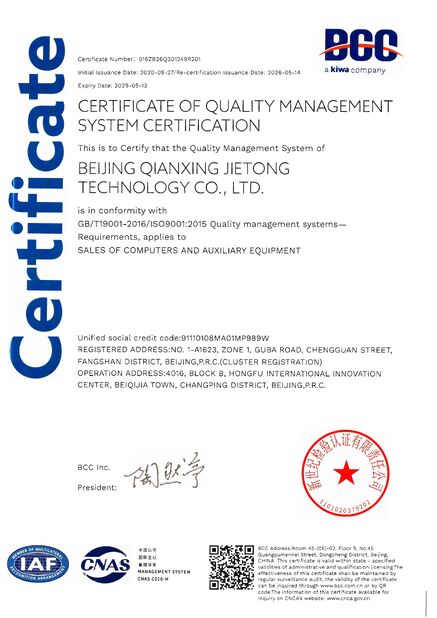
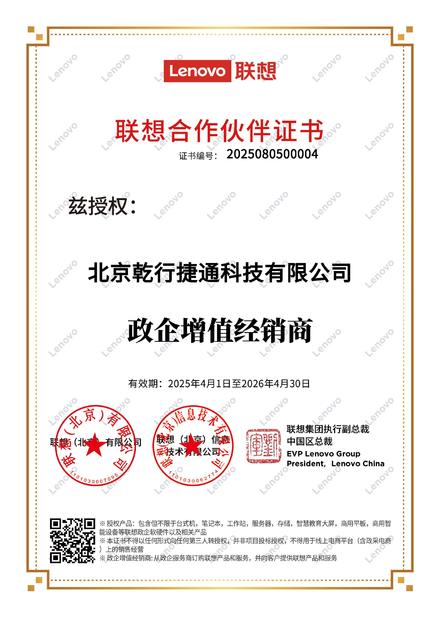
Công ty TNHH Công nghệ Bắc Kinh Tiền Hưng Kết Thông
Sandy Yang/Giám đốc Chiến lược Toàn cầu
WhatsApp / WeChat: +86 13426366826
Email: yangyd@qianxingdata.com
Website: www.qianxingdata.com/www.storagesserver.com
Trọng tâm kinh doanh:
Phân phối sản phẩm ICT/Tích hợp hệ thống & Dịch vụ/Giải pháp hạ tầng
Với hơn 20 năm kinh nghiệm phân phối CNTT, chúng tôi hợp tác với các thương hiệu hàng đầu toàn cầu để cung cấp các sản phẩm đáng tin cậy và dịch vụ chuyên nghiệp.
“Sử dụng Công nghệ để Xây dựng Thế giới Thông minh”Nhà cung cấp Dịch vụ Sản phẩm ICT Đáng tin cậy của Bạn!